White Meat vs Dark Meat

Understanding the difference between white meat and dark meat is essential for healthier eating, better cooking results, and smarter meal planning. While many people assume the difference is purely about color, it actually involves muscle function, fat content, nutrition, and ideal cooking methods.

This guide explains what white meat and dark meat are, how they differ nutritionally, how to cook each properly, and how to balance them in a healthy diet.

What Is White Meat and What Is Dark Meat?

The Basic Classification

What Is White Meat and What Is Dark Meat?

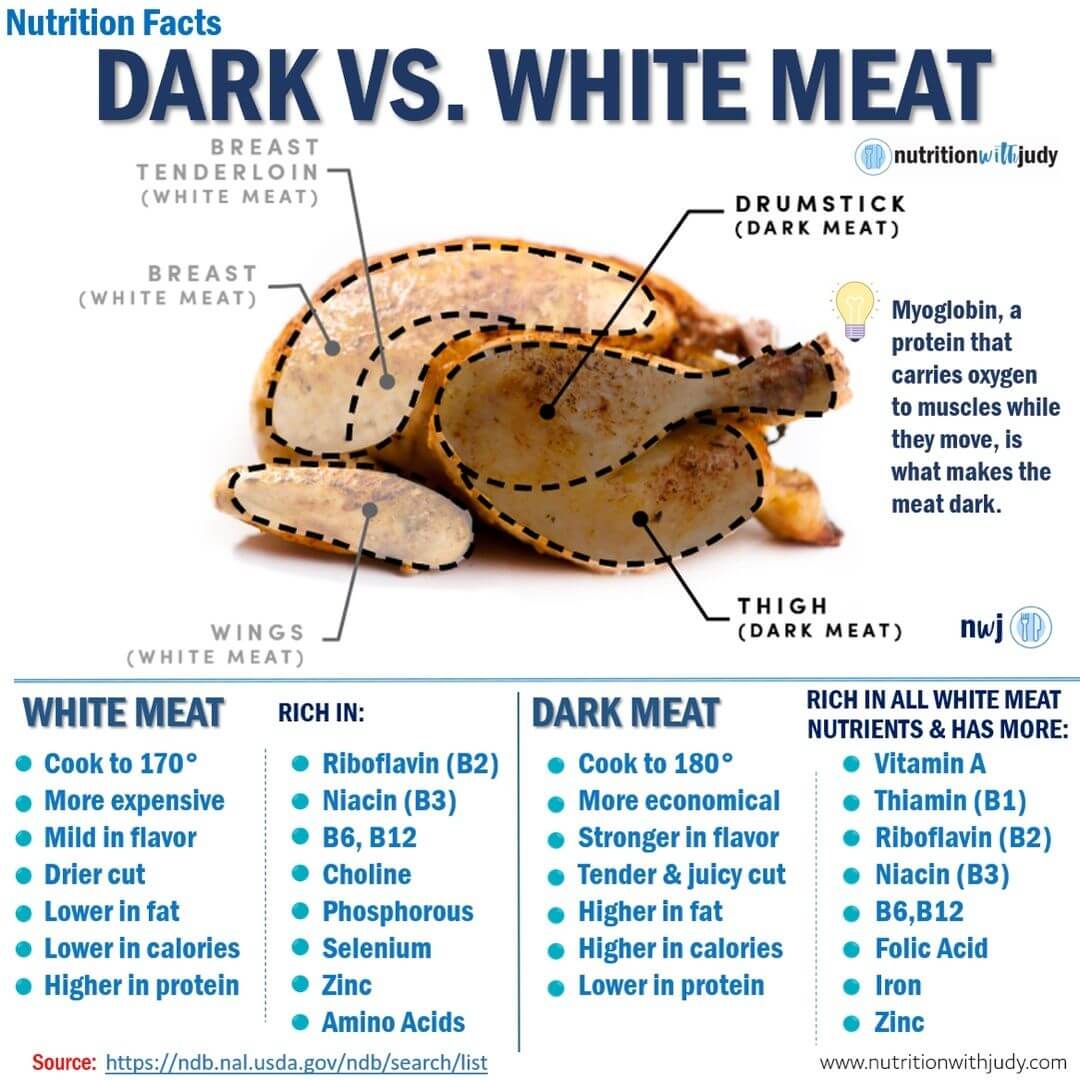
Meat is commonly classified before cooking based on its natural color, which comes from a protein called myoglobin. Myoglobin stores oxygen in muscles—more active muscles contain more myoglobin and therefore appear darker.

  • White Meat

    1. Poultry (some parts)
    2. Most fish and seafood
  • Dark Meat

    1. Land animals with four legs (red meat)
    2. Certain poultry cuts
    3. Some fish species

Why Some Meat Is Darker: The Role of Myoglobin

Dark meat appears darker because it contains higher levels of myoglobin, an iron-rich protein that helps muscles store and transport oxygen. Muscles used more frequently—such as legs and thighs—need more oxygen, which explains their darker color and richer flavor.

Common Exceptions That Confuse People

Chicken: White and Dark Meat in One Bird

  • White meat: Chicken breast, wings, tenderloin
    (less movement → less myoglobin)

  • Dark meat: Thighs, drumsticks
    (more movement → more myoglobin)

Fish: Not All Fish Are White Meat

  • Salmon: Looks red, but is still considered white meat
    (color comes from astaxanthin, not myoglobin)

  • Tuna: Technically classified as red meat
    (very high myoglobin due to constant swimming)

Nutritional Differences Between White Meat and Dark Meat

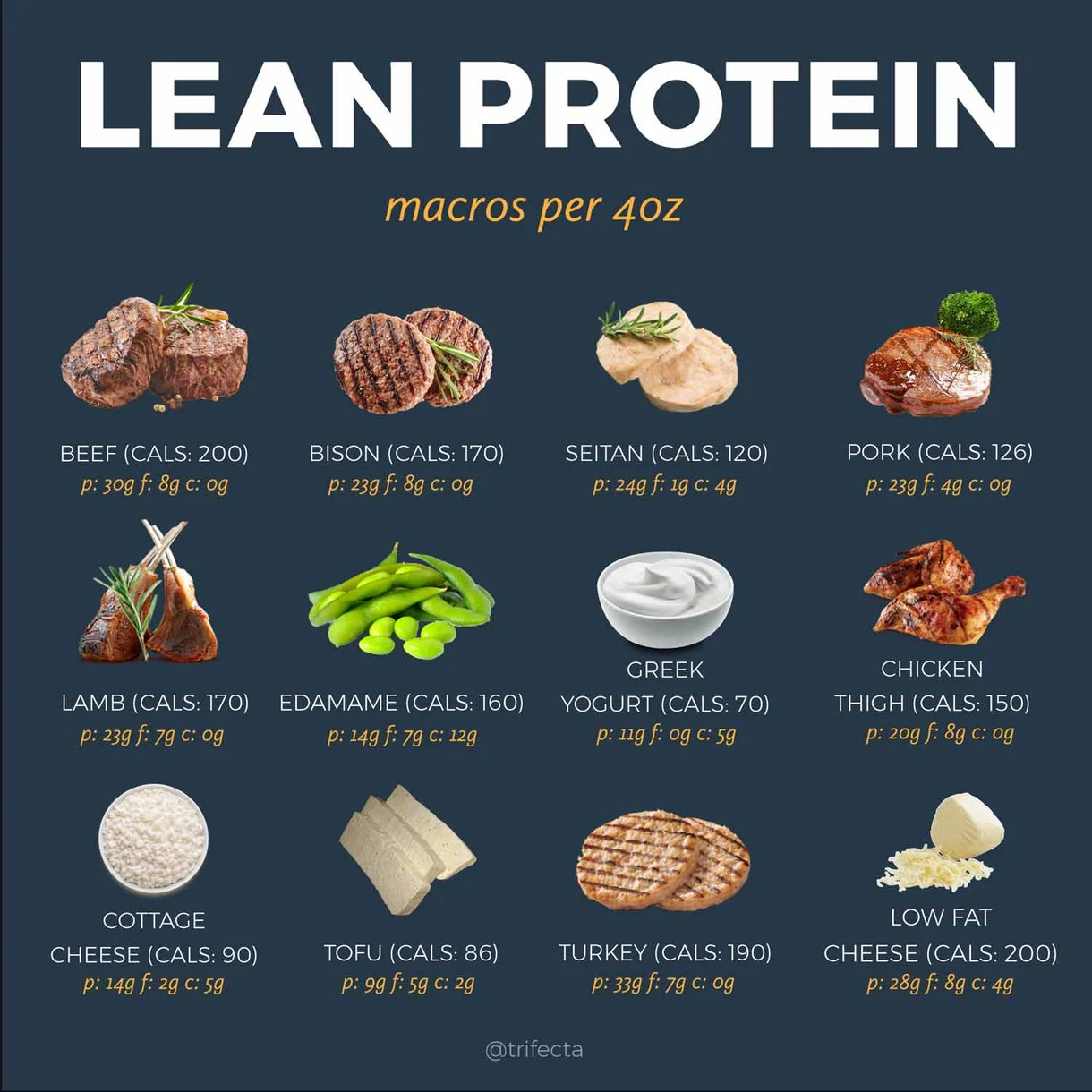
https://images.ctfassets.net/1bk7n9wtl2gh/4k40OBs3qSdzOxQoc9v5m1/055e555238ed7e5d1c412dfa973450e8/Lean-Protein.webp
https://www.nutritionwithjudy.com/wp-content/uploads/2021/08/Dark-vs.-White-Meat-Nutrition-Facts-20200126.jpg

White Meat: Lean and High in Protein

  • Lower calories and fat

  • High-quality protein

  • Some seafood contains EPA & DHA (Omega-3 fatty acids)

  • Ideal for weight loss, Fitness and muscle maintenance, Heart-conscious diets

    Dark Meat: Rich in Minerals and Vitamins

    • Higher in Iron, Zinc, Selenium, Vitamin B12, B6, niacin.

    • Supports red blood cell production and energy metabolism.

    • Recommended for:

      1. Pregnant women
      2. People with anemia
      3. Those with higher iron needs

    Is Dark Meat (Red Meat) Cancer-Causing?

    In 2015, the World Health Organization classified red meat as a Group 2A carcinogen, meaning it is “probably carcinogenic to humans.”

    What Does That Really Mean?

    Is Dark Meat (Red Meat) Cancer-Causing?

    Why Red Meat May Carry Higher Risk

    Why Red Meat May Carry Higher Risk

    Best Cooking Methods for White Meat vs Dark Meat

    White Meat (Chicken Breast, Wings)

    Characteristics

    • Lean

    • Mild flavor

    • Dries out easily

    Best Cooking Methods

    • Poaching

    • Steaming

    • Stir-frying

    • Cooking in sauces or broths

    • Baking with marinades or glazes

    Cooking Tip

    • Target internal temperature: 165°F / 74°C

    • Avoid overcooking to prevent dryness

    Dark Meat (Thighs, Drumsticks, Legs)

    Characteristics

    • Higher fat

    • Juicier and more flavorful

    • More connective tissue

    Best Cooking Methods

    • Braising

    • Stewing

    • Roasting

    • Grilling

    • Pan-frying

    • Low-and-slow cooking

    Cooking Tip

    • Safe at 165°F / 74°C

    • Best texture at 175–180°F / 80°C (collagen breaks down)

    Healthy Cooking Tips for Both Meat Types

    • Avoid cooking above 150°C (302°F) whenever possible

    • Limit deep-frying, heavy grilling, and smoking

    • Use low-temperature methods with:

        • Small amounts of oil

        • Plenty of vegetables

    • Always use a meat thermometer for accuracy and safety

    How to Balance White Meat and Dark Meat in Your Diet

    A practical and sustainable guideline is the 1:1 balance principle.

    Weekly Example

    • 2 days: Red meat (beef, pork, lamb)

    • 2 days: Poultry (chicken, duck)

    • 2 days: Fish & seafood

    • 1 day: Plant-based meals

    Daily meat intake: approximately 180–240 grams

    For people with cardiovascular concerns:

    • Choose lean cuts

    • Remove chicken skin

    • Avoid excessive saturated fat

    Final Thoughts: White Meat or Dark Meat—Which Is Better?

    Neither white meat nor dark meat is inherently “better.” Each offers unique nutritional advantages, and both can fit into a healthy lifestyle when:

    • Eaten in moderation

    • Properly cooked

    • Balanced with vegetables and whole foods

    Whether your goal is weight loss, fitness, or overall health, the key is variety, balance, and smart cooking methods—not restriction.

    At Chefco, we provide a full range of commercial and home kitchen cookware designed for cooking both white and dark meats with precision and consistency. Our selection includes sauté pans, stock pots, roasting pans, grills, steamers, and durable utensils suitable for poultry, red meat, and seafood preparation.

    Turbo Range, ESC-3-S1, Freestanding Gas Steam Cabinet-143,000 BTU, Two Deck - Chefcoca

    Whether you’re a restaurant professional or a home cook aiming for healthier, better-tasting meals, Chefco supports every cooking style—helping you bring out the best flavor, texture, and nutrition in both white meat and dark meat dishes.

    请留言

    所有评论均需审核后方可发布。