

Pork Lard: Why Chinese Restaurants Use It and How to Make It at Home
Vegetable oil may be the default cooking fat in most kitchens today, but pork lard has never really disappeared from traditional Chinese cooking.
For generations, Chinese restaurants and home cooks have used rendered pork fat to stir-fry vegetables, season noodles, fry foods, make pastries, and add richness to otherwise simple dishes.
If you have ever wondered why a plate of restaurant stir-fried bok choy tastes noticeably richer than the version you make at home, pork lard may be part of the answer.
What Is Pork Lard?
Lard is simply rendered pork fat.
Pork fat is slowly heated until the liquid fat separates from the connective tissue and other solids. The clear fat is then strained and cooled, producing the creamy white cooking fat we know as lard. It should not be confused with shortening. Traditional homemade lard can contain just one ingredient: pork fat. The flavour depends heavily on the type of fat and how it is rendered. Properly rendered lard has a relatively mild flavour rather than tasting strongly of pork.
Why Do Chinese Restaurants Use Pork Lard?

One of the biggest advantages of lard is flavour. You don't necessarily need enough to make a dish taste like pork. Even a teaspoon added to a wok can give vegetables, noodles, rice, and sauces a fuller and more rounded taste. This is particularly noticeable in simple dishes with only a few ingredients.
Common examples include:
-
Stir-fried bok choy or gai lan
-
Shanghai-style scallion noodles
-
Fried rice
-
Wonton and noodle soups
-
Braised vegetables
-
Chinese pastries
-
Fried or roasted potatoes
-
Dumpling and bun fillings
Some kitchens also combine lard with vegetable oil rather than using it as the only cooking fat. That small amount of animal fat can provide much of the flavour without making the dish excessively heavy.
Why Does Restaurant Stir-Fry Taste Better?
People often assume the difference comes entirely from wok hei, MSG, stronger burners, or restaurant sauces. Those things certainly matter, but cooking fat matters too. Fat carries many flavour and aroma compounds. Changing the cooking oil can therefore noticeably change the finished dish even when every other ingredient stays the same.
For example, try cooking the same batch of bok choy twice:
Cook one portion with neutral vegetable oil and the second with mostly vegetable oil plus a teaspoon of lard. The difference can be surprisingly obvious. This is one of those small restaurant techniques that rarely appears on a menu but can make simple vegetables taste much more satisfying.
Lard vs. Vegetable Oil: What's the Difference?

Neither one has to completely replace the other. Neutral vegetable oils are inexpensive, convenient, and excellent for everyday high-heat cooking. Lard contributes a different texture and savoury character.
For Chinese cooking, many cooks use the two together. A neutral oil can provide most of the cooking fat, while a smaller amount of lard provides flavour.
Lard is especially useful for:
-
Stir-frying vegetables
-
Fried rice and noodles
-
Roasting
-
Pan-frying
-
Savoury pastries
-
Biscuits and pie crusts
-
Traditional Chinese pastries
One thing to remember is that the smoke point of lard varies depending on how it was rendered and refined. Clean commercial or well-rendered lard generally handles frying temperatures well, but it should still not be overheated until it smokes.
Lard vs. Butter
Lard and butter behave quite differently in cooking. Butter contains milk solids and water, which contribute its characteristic flavour but can also burn during higher-temperature cooking. Lard is almost entirely fat. That makes it useful when you want crispness without the milk solids found in butter. In baking, lard is also famous for producing flaky pie crusts and pastries because of the way solid fat separates layers of dough.
From a nutrition perspective, both are concentrated sources of fat and calories. Lard generally contains a larger proportion of monounsaturated fat and somewhat less saturated fat than butter, although neither should be considered a health food simply because one nutritional number looks better.
What Type of Pork Fat Makes the Best Lard?
Not all pork fat produces exactly the same lard.
Fatback
Fat from the back of the pig is one of the easiest options to find and works well for general cooking.
Leaf Lard
Leaf fat is the soft fat found around the kidneys and loin. When rendered, it produces particularly mild lard and is prized for baking because it contributes texture without adding much pork flavour.
Pork Trimmings
Fat trimmed from pork belly, shoulder, or other cuts can also be rendered. It may have a slightly stronger pork flavour, especially if some meat remains attached. For Chinese stir-frying and savoury cooking, that extra flavour is often perfectly welcome.
How to Make Pork Lard at Home
Rendering lard is much easier than it sounds.
What You Need
-
About 2 lb (900 g) pork fatback or other clean pork fat
-
1/2 to 1 cup water
-
Heavy-bottomed pot
-
Fine strainer or cheesecloth
-
Clean glass jar
Optional aromatics:
-
Scallion
-
Ginger
-
Sichuan peppercorns
If you want neutral lard that can also be used for baking, skip the aromatics.
Step 1: Cut the Pork Fat
Cut the fat into small, relatively even cubes. Smaller pieces render more efficiently because more surface area is exposed to heat. Remove large pieces of meat if you want cleaner, more neutral-tasting lard.
Step 2: Blanch the Fat — Optional
For especially clean-tasting lard, place the pork fat in cold water and bring it to a gentle simmer. Cook for about 2 to 3 minutes, drain, rinse briefly, and pat dry. This step isn't mandatory, but it can remove some blood and impurities that would otherwise affect the colour and flavour.
Step 3: Add Water and Begin Rendering
Place the pork fat into a heavy pot and add about 1/2 to 1 cup of water. Don't worry—you aren't making boiled pork fat. The water protects the fat from scorching during the early stage of rendering. As the pot heats, the water gradually evaporates while the pork fat begins releasing its own oil. This technique is sometimes called wet rendering.
Step 4: Cook Low and Slow
Once the fat begins melting, reduce the heat. You want gentle bubbling rather than aggressive frying. Stir occasionally so the pieces cook evenly. Over time, the solid pieces will shrink and the pot will fill with clear liquid fat. If you are making savoury Chinese-style lard, you can add a piece of scallion, ginger, or a few Sichuan peppercorns near the end. Remove the aromatics before they become dark or burnt.
Step 5: Watch the Cracklings
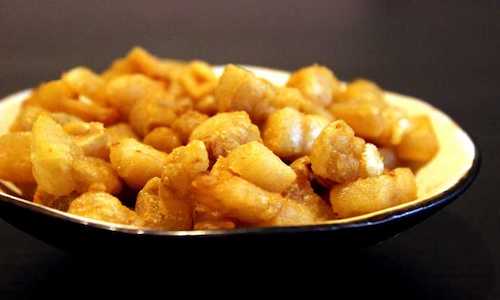
Eventually the remaining pieces of pork fat will become small and lightly golden. These are pork cracklings. Once they reach this stage, stop cooking. Taking them too far can give your finished lard a toasted or slightly burnt flavour. Strain the hot liquid carefully through a fine strainer or cheesecloth.
Step 6: Cool the Lard
Freshly rendered lard looks clear or pale yellow while warm. As it cools, it gradually turns opaque and creamy white. Pour it into a clean glass jar, allow it to cool, cover it, and refrigerate. And don't throw away the cracklings. Add a little salt and they make a great topping for noodles, vegetables, rice, or congee.
Wet Rendering vs. Dry Rendering
You'll find both methods when searching for how to render pork fat. Dry rendering means heating pork fat without adding water. Wet rendering starts with a small amount of water.
For beginners, the water method is usually more forgiving because it reduces the chance of the fat browning too quickly before enough liquid fat has been released. If your goal is mild, pale lard for everyday cooking, wet rendering is a good place to start.
How Long Does Homemade Lard Last?
This is one area where it's better to be conservative.
Commercial lard and homemade lard don't necessarily have the same shelf life because commercial products may be processed, stabilized, or packaged differently. For homemade lard, keep it in a clean, airtight container in the refrigerator and avoid introducing water or food particles into the jar. For longer storage, portion it and freeze it. More important than following a single expiration number is watching for signs of rancidity. If your lard develops an unpleasant stale, sour, or paint-like smell, discard it.
Is Lard Healthy?

This question deserves a little more nuance than either “lard is healthy” or “lard is unhealthy.” Lard is essentially pure fat, so it is calorie-dense. Its fat profile includes both saturated and unsaturated fats. A substantial portion is oleic acid, the same type of monounsaturated fatty acid commonly associated with olive oil. However, lard also contains a significant amount of saturated fat. That means the presence of monounsaturated fat doesn't turn lard into unlimited health food.
A better way to look at it is as a traditional cooking ingredient. Used in reasonable amounts, it can provide a lot of flavour from a relatively small quantity. Instead of frying an entire dish in lard, for example, you might use mostly neutral cooking oil and finish it with one teaspoon of lard.
Does Lard Contain Vitamin D?
Yes, pork fat can contain vitamin D, but the amount varies considerably. It depends on factors such as the animal's diet and farming conditions, so it isn't a good idea to assume that every jar of lard contains a large amount. Lard is better appreciated for what it does in cooking than treated as a vitamin D supplement.
What Does Lard Taste Like?
Good lard is much milder than many people expect. Clean leaf lard can be almost neutral. Fatback lard usually has a subtle savoury flavour, while fat rendered from trimmings containing meat may taste noticeably more porky. If your homemade lard tastes aggressively burnt or strongly meaty, the rendering temperature may have been too high or too much meat was left attached to the fat.
Easy Chinese Lard Recipe: Garlic Bok Choy

One of the easiest ways to understand what lard does is to use it in a simple vegetable stir-fry.
Ingredients
-
1 lb bok choy
-
1 tbsp pork lard
-
3 garlic cloves, sliced or minced
-
Salt to taste
-
Small splash of water or chicken stock
-
Optional pinch of white pepper
Instructions
- Heat a wok until hot.
- Add the lard and allow it to melt.
- Add the garlic and stir for several seconds until fragrant, but don't let it brown.
- Add the bok choy and stir-fry over high heat.
- Add a small splash of water or stock and continue tossing until the stems are tender-crisp and the leaves have wilted.
- Season with salt and a little white pepper.
That's it. There is no complicated sauce to hide behind, which makes this one of the best dishes for tasting what pork lard actually contributes.
Other Ways to Use Pork Lard
Once you have a jar in the refrigerator, you'll probably find more uses for it than expected.
Try a small spoonful in:
- Chinese fried rice
- Scallion noodles
- Wonton soup
- Stir-fried cabbage
- Bok choy and gai lan
- Chinese-style pastry dough
- Roasted potatoes
- Beans
- Dumpling fillings
- Fried eggs
- Homemade tortillas
- Pie crust
- Biscuits
The easiest approach is not necessarily replacing all of your cooking oil with lard. Think of lard almost like a seasoning fat. A small amount can be enough to change the flavour of an entire dish.
Final Thoughts
Pork lard isn't a new cooking trend. It's an old ingredient being rediscovered.
In Chinese cooking, it helps explain why seemingly simple restaurant dishes—stir-fried vegetables, noodles, fried rice, pastries, and soups—can have a depth of flavour that's difficult to reproduce with neutral vegetable oil alone. You don't need to cook everything in lard, either. Render a small jar, keep it in the refrigerator, and try adding just a teaspoon to your next wok of vegetables. Sometimes the difference between home cooking and restaurant cooking isn't another sauce, it's the fat in the wok.
