
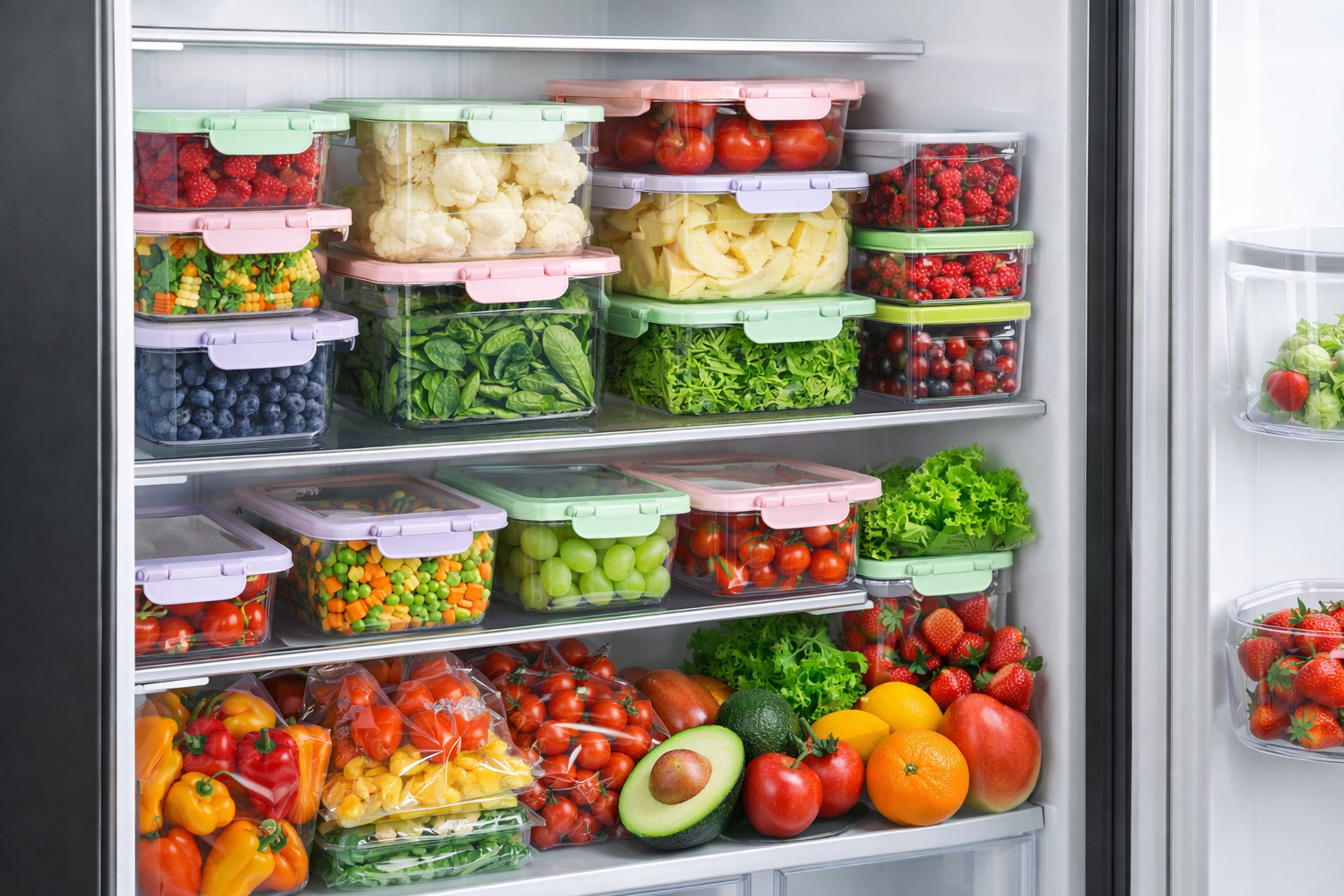

Proper refrigerator temperature settings are essential for keeping food fresh, preventing spoilage, and reducing energy consumption. If your fridge is set too warm, bacteria multiply faster and food goes bad quickly. Set it too cold, and you risk wasting electricity, damaging food texture, and shortening the lifespan of your appliance.
So how do you choose the right settings throughout the year—and what’s the best fridge temperature for keeping tropical fruit fresh? Let’s break it down.
Refrigerator Settings by Season: Summer vs. Winter
Most manual-dial refrigerators use a 0–7 cooling scale, where higher numbers mean stronger cooling power and lower internal temperatures.
-
0 = Off
-
7 = Coldest setting
Fridge Settings for Summer
During warmer months, ambient temperatures are higher, so your fridge compressor runs more frequently.
Recommended fridge settings for summer:
-
Dial setting: 1–2
-
Digital temperature: 4–6°C (39–43°F)
This prevents over-cooling while keeping food safely chilled and energy usage under control.

Refrigerator Winter Gear Setting Explained
In colder months, especially in unheated spaces like garages or basements, refrigerators may cool less efficiently. This is where a refrigerator winter gear setting (or higher dial number) becomes important.
Recommended winter fridge settings:
-
Dial setting: 5–6
-
Freezer temperature: –18°C (0°F) or below
A higher winter setting ensures the compressor runs often enough to keep frozen food fully frozen and prevents partial thawing.
One Setting All Year?
If you don’t want to adjust seasonally, a middle setting (3–4) works well for most indoor kitchens year-round. For digital models, aim for:
-
Fridge: 4–8°C (39–46°F)
-
Freezer: –18°C (0°F)
Common Refrigerator Storage Mistakes (And Easy Fixes)
Even with correct fridge settings, poor storage habits can still cause food waste.

1. Leaving Food Unsealed
Uncovered food dries out quickly and absorbs odors.
Fix:
Store food in airtight containers or resealable bags. Always separate raw and cooked items.
2. Using the Fridge for Long-Term Storage
Refrigeration slows bacteria growth—but doesn’t stop it entirely. Some bacteria can still multiply at low temperatures.
Fix:
Rotate food regularly and follow safe storage timelines:
-
Leafy greens: up to 3 days
-
Raw meat (4°C / 39°F): 3–5 days
-
Poultry & fish: 1–2 days

3. Keeping the Fridge Too Cold (Especially for Tropical Fruits)
This is where many people go wrong.
What’s the best fridge temperature for keeping tropical fruit fresh?
The answer is: often, they shouldn’t be refrigerated at all.
Tropical fruits like bananas, mangoes, avocados, papayas, and pineapples are sensitive to cold. Temperatures below 10°C (50°F) can cause:
-
Browning
-
Mushy texture
-
Loss of flavor
Fix:
Store tropical fruits at room temperature until fully ripe. Once cut, refrigerate briefly in airtight containers.
4. Waiting Too Long to Refrigerate Hot Food
Letting cooked food sit out for hours increases bacterial growth.
Fix:
Transfer food into shallow, sealed containers and refrigerate once steam subsides. Modern fridges can handle warm food safely.

Shop the Best Fridges & Freezers at Chefco
At Chefco, we offer a variety of refrigerators and freezers to suit your business or home needs. Whether you're looking for a merchandising freezer, chest fridge, bar fridge, or a walk-in freezer, we have high-quality options designed for efficiency and food safety.
Explore our selection today and keep your food fresh while saving on energy costs!
