
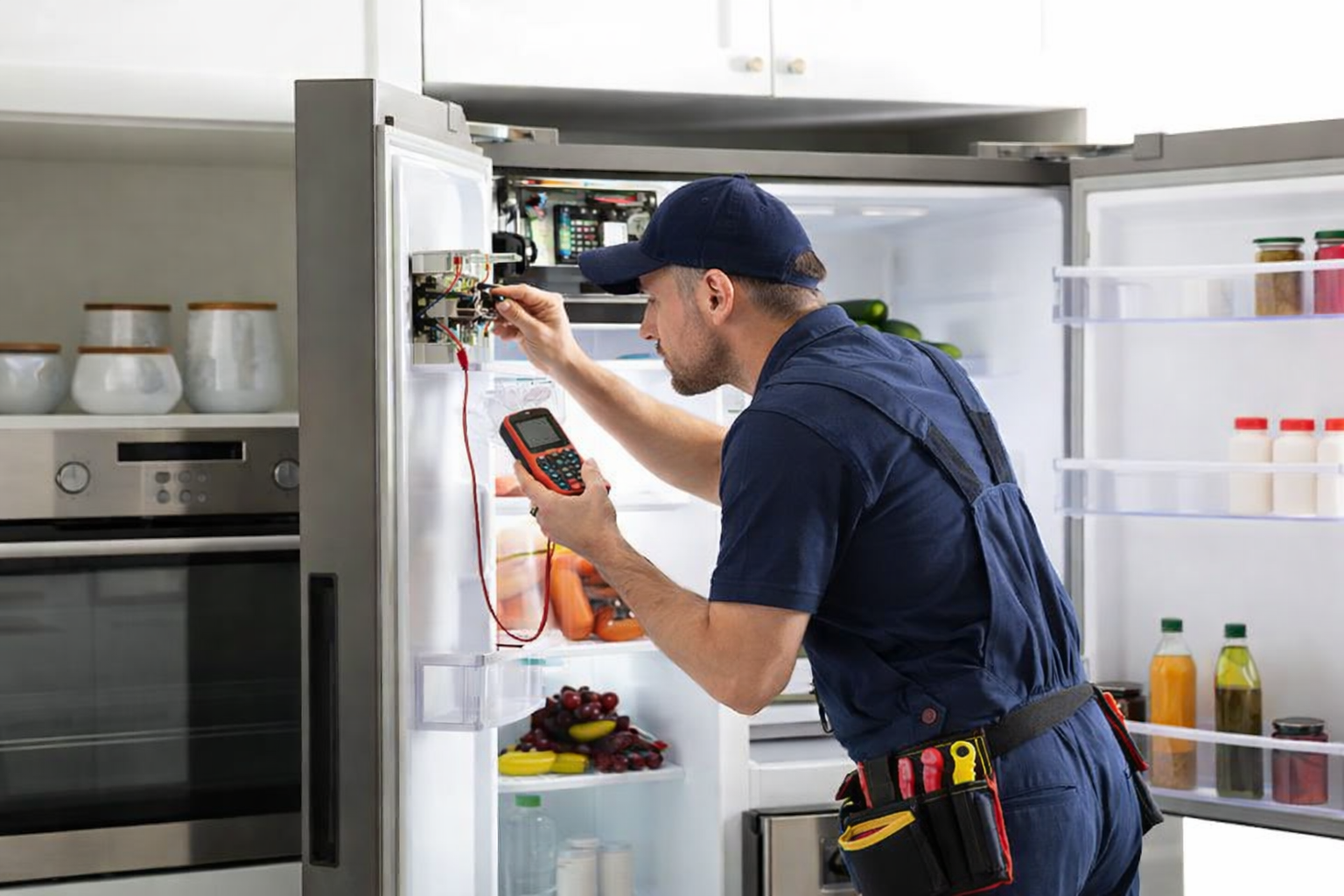
Proper maintenance and regular cleaning of commercial refrigerators and freezers are essential for food safety, energy efficiency, and equipment longevity. Whether you operate a restaurant, café, or food service business, a well-maintained refrigeration system ensures consistent cooling performance and reduces costly downtime.
This complete guide covers cleaning routines, maintenance best practices, troubleshooting tips, and FAQs to help you keep your commercial refrigeration equipment running at peak performance.

Why Regular Refrigerator Maintenance Matters
Maintaining your commercial refrigerator is not just about cleanliness—it directly impacts:
- Food safety and hygiene compliance
- Energy efficiency and reduced electricity costs
- Equipment lifespan and performance
- Prevention of costly repairs and breakdowns
A simple weekly maintenance routine can significantly improve cooling efficiency and reduce long-term operating costs.
Upright Refrigerator Maintenance & Cleaning
Weekly Cleaning Routine
1. Preparation
- Unplug the refrigerator
- Remove all stored items
- Use a clean, soft cloth or microfiber towel
2. Interior & Exterior Cleaning
- Use cool or slightly warm water (below 40°C) with a mild detergent
- Wring out excess water before wiping surfaces
- Clean shelves, walls, and outer panels gently
⚠️ Avoid excess moisture near electrical components or control panels to prevent damage.
Door Gasket Cleaning
Door gaskets (seals) often accumulate grease, food residue, and dust.
- Clean thoroughly with mild detergent
- Inspect for cracks or looseness
- Replace if sealing is compromised
A damaged gasket can lead to cold air leakage and higher energy consumption.
Air Filter Maintenance
- Open the front panel and remove the air filter
- Wash with warm water and mild detergent
- Rinse and air dry completely before reinstalling
- Clean every 2 weeks for optimal airflow
⚠️ Avoid touching condenser coils or blades during cleaning.

Chest Freezer Maintenance & Cleaning
Chest freezers follow a similar maintenance approach:
Cleaning Steps
- Unplug and empty the freezer
- Use a soft towel with mild detergent solution
- Wipe interior and exterior surfaces gently
- Avoid water near control units
Gasket & Air Filter Care
- Clean door seals regularly
- Remove and wash side air filters every two weeks
- Ensure proper drying before reinstalling
Defrosting & Deep Cleaning Tips
Natural Defrosting
- Turn off power and leave the door open
- Place towels at the base to absorb melted ice
- Avoid using sharp tools to remove ice
Interior Protection Tip (Professional Trick)
After cleaning, apply a thin layer of glycerin to interior walls:
- Helps prevent frost buildup
- Creates a protective layer
- Makes future cleaning easier

Common Reasons Why a Refrigerator Is Not Cooling
Understanding why a commercial refrigerator stops cooling can help prevent downtime and unnecessary repair costs.
1. Compressor Failure
The compressor is the core of the refrigeration system.
- If cooling stops suddenly, the compressor may be faulty
- Refrigerant leaks usually cause gradual cooling loss, not sudden failure
- If the compressor runs but there is no cooling, check system pressure
Careful: Low pressure may indicate compressor malfunction.
2. Power Supply Issues
This is one of the most overlooked causes.
- Check if the plug is properly connected
- Restart the power supply
- Confirm internal lights are working
In many cases, simply reconnecting the power restores operation.
3. Insufficient Refrigerant
Over time, refrigerant levels may decrease.
- Check copper pipes for excessive frost buildup
- Lack of refrigerant leads to poor cooling performance
Solution: Recharge refrigerant (professional service recommended)
4. Thermostat or Airflow Problems
- Faulty thermostat may prevent the unit from shutting off
- Evaporator frost buildup can block airflow
- Damaged fans or blocked vents reduce cooling efficiency
This issue is more common in fan-cooled (no-frost) refrigerators.
5. Improper Temperature Settings & Overloading
- Recommended fridge temperature: 4°C–10°C
- Higher thermostat number = lower temperature
- Frequent door opening reduces efficiency
- Overloading blocks airflow and reduces cooling performance

What to Do If Your Refrigerator Stops Cooling
Step-by-Step Troubleshooting
1. Check Power First
- Ensure power connection is working
- Check interior light or test voltage
- Listen for compressor operation (low humming sound)
2. Check Compressor Operation
- If compressor runs:
- Listen for refrigerant flow in pipes
- No sound may indicate refrigerant leakage
- If compressor does NOT run:
- Check voltage at compressor terminals
- Possible issues:
- Faulty start relay (PTC or overload relay)
- Internal compressor coil damage
- Compressor stuck or seized
3. Inspect Internal System Issues
- Blocked airflow
- Ice buildup
- Faulty evaporator or fan system
⚠️ For complex issues, always consult a professional technician to avoid further damage.
Best Practices for Commercial Refrigerator Maintenance
- Clean interior weekly
- Clean air filters every 2 weeks
- Inspect door seals regularly
- Avoid overloading
- Maintain proper temperature settings
- Schedule professional servicing annually
FAQ – Commercial Refrigerator Cleaning & Maintenance
Q1: How often should I clean a commercial refrigerator?
A: Light cleaning should be done weekly, while deep cleaning and inspection should be performed monthly.
Q2: Why is my fridge running but not cooling?
A: Common causes include:
- Low refrigerant
- Compressor issues
- Blocked airflow
- Faulty thermostat
Q3: Can I use hot water to clean my refrigerator?
A: No. Always use water below 40°C to avoid damaging internal components.
Q4: How do I know if my compressor is failing?
A: Signs include:
- No cooling despite running
- Unusual noise or vibration
- Low pressure in the system
Q5: What temperature should a commercial fridge be set at?
A: Typically 4°C to 10°C for refrigerators and -18°C or lower for freezers.
Q6: How often should I clean the air filter?
A: Every 2 weeks to maintain airflow and cooling efficiency.
Conclusion
Regular maintenance and proper cleaning of commercial refrigerators are critical for ensuring food safety, reducing energy consumption, and extending equipment lifespan. By following a consistent maintenance routine and addressing issues early, you can avoid costly repairs and downtime.


At Chefco, we provide a full range of commercial refrigeration equipment, cleaning solutions, and maintenance tools designed for professional kitchens. Whether you're operating a restaurant, café, or catering business, Chefco helps keep your kitchen running efficiently with reliable, high-quality solutions.
