
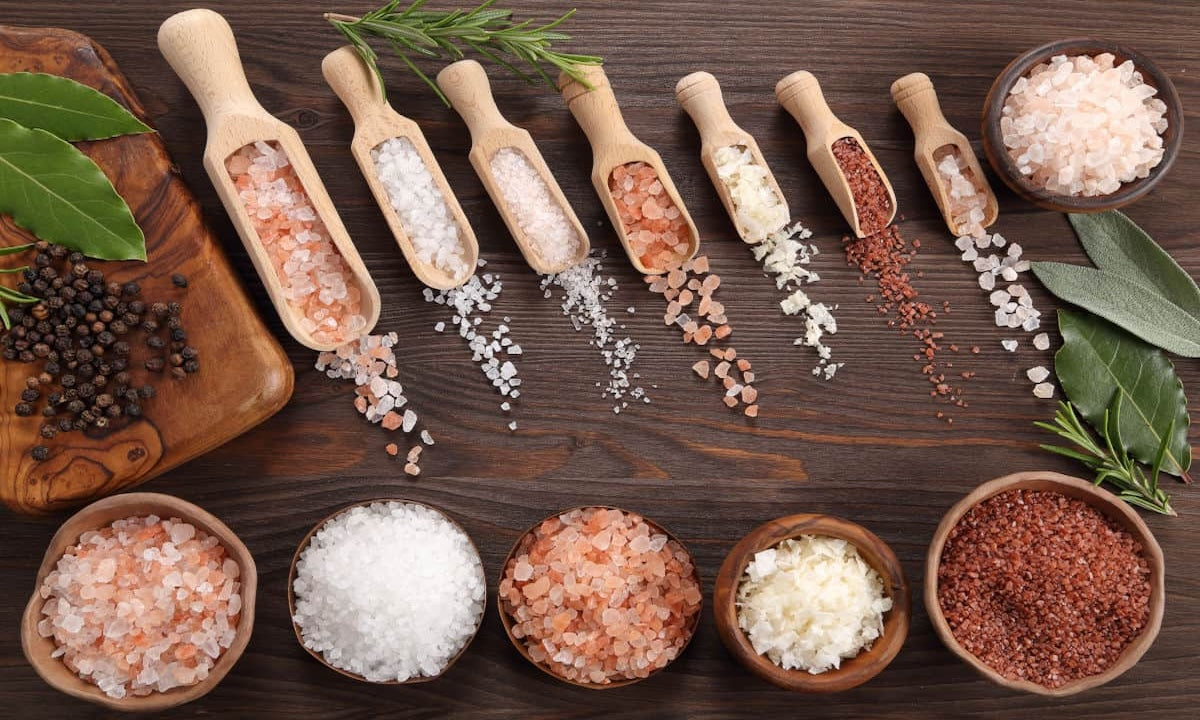
Salt is one of the most essential ingredients in any kitchen, yet not all salts are the same. From everyday table salt to artisanal sea salt and Himalayan pink salt, different types of salt vary in source, crystal size, flavor, and best culinary use. Understanding these differences helps you season food more accurately and elevate your cooking results.
This guide explains the main types of culinary salt, how they are produced, and how to use them correctly before, during, and after cooking.
Common Culinary Salt Types (Quick Overview)

-
Table Salt: Fine-grained, highly refined, often iodized and mixed with anti-caking agents. Dissolves quickly but can taste slightly metallic.
-
Kosher Salt: Coarse, flaky, additive-free. Preferred by chefs for seasoning, brining, and dry curing.
-
Sea Salt: Made by evaporating seawater; contains trace minerals that affect texture and flavor.
-
Rock Salt / Himalayan Pink Salt: Mined from ancient salt deposits; known for its pink hue and mineral content.
-
Smoked Salt: Salt infused with smoke flavor; adds depth to meats and vegetables.
Salt Classified by Origin
Sea Salt
Sea salt is produced by evaporating seawater, followed by processes such as sun-drying, washing, crushing, and drying. Because it undergoes minimal refining, it retains trace minerals that create subtle flavor differences. Crystal size can range from fine to large flakes.
Boiled Salt (Traditional Sea Salt)
Boiled salt is also made from seawater but is concentrated using heat or prolonged sun exposure. It is commonly produced in regions with weaker sunlight, such as northeastern Japan, Okinawa, and offshore islands near Tokyo. This method often yields a softer, rounder salt flavor.
Lake Salt
Lake salt comes from inland salt lakes, formed when ancient seas were trapped by geological shifts and climate change. The saltwater is harvested and sun-dried, producing crystals with unique mineral profiles.
Rock Salt
Rock salt is mined from ancient underground salt deposits formed millions of years ago. Among them, the most famous is Himalayan pink salt, also called pink salt or rose salt. Its pink color comes from trace minerals like iron, giving it visual appeal and a slightly complex taste.
Crystal Size Matters: Why Salt Types Are Not Interchangeable
The main difference between salts is crystal size.
-
Table salt crystals are very fine, so one teaspoon contains more salt by weight.
-
Kosher salt and flaky sea salt have larger crystals, meaning one teaspoon delivers less saltiness.
When substituting salts in a recipe, always adjust the quantity to avoid over- or under-seasoning.
How to Use Different Salts in Cooking

When to Add Salt: Timing Matters

1. Seasoning Before Cooking (Marinating)
Marinating adds base flavor and removes unwanted odors.
-
Fresh, delicate ingredients (fish, chicken, vegetables): Short marination, light salt
-
Stronger-smelling or less fresh ingredients: Longer marination, slightly more salt
-
Firm, low-moisture ingredients: Rest after salting for better penetration
-
Tender, high-moisture ingredients: Cook immediately after salting to avoid dehydration
2. Seasoning During Cooking
Two main methods:
-
Pre-mixed seasoning sauce added at once
-
Gradual seasoning added in stages for better control
Tip:
-
For dry-fried beef or lamb, add salt early to encourage moisture release and flavor absorption
-
For vegetables like cabbage or peppers, cook off moisture first, then add salt

3. Seasoning After Cooking
Common for fried or steamed dishes.
Example:
-
Fried foods finished with pepper salt
-
Steamed fish should not be pre-salted—add salt to the sauce after steaming to keep the fish tender and fresh
Special Salts Explained
Iodized Salt
Iodine deficiency affects millions worldwide and can permanently impact cognitive development. Iodized salt is a simple, cost-effective solution. However, iodine and fluoride additives may interfere with fermentation, so non-iodized salt is better for bread, pickling, and fermented foods.
Kosher Salt Crystal Shapes
-
Flat flakes (Morton)
-
Pyramid-shaped flakes (Diamond Crystal)
Both are excellent for precise seasoning due to easy pinch control.

Fleur de Sel
Known as the “first harvest” of sea salt, these delicate crystals float on the surface and are hand-harvested. Higher moisture content makes them melt gently on the tongue—used only as a finishing salt.
Final Thoughts
Choosing the right salt isn’t about price or appearance—it’s about crystal size, origin, and timing. Whether you’re seasoning a steak, finishing a dish, or fermenting dough, the right salt makes a measurable difference.


At Chefco, we support professional and home kitchens alike by offering a full range of condiment dispensers designed for salt, spices, and seasonings—helping you store, portion, and use every type of salt efficiently and hygienically.
