
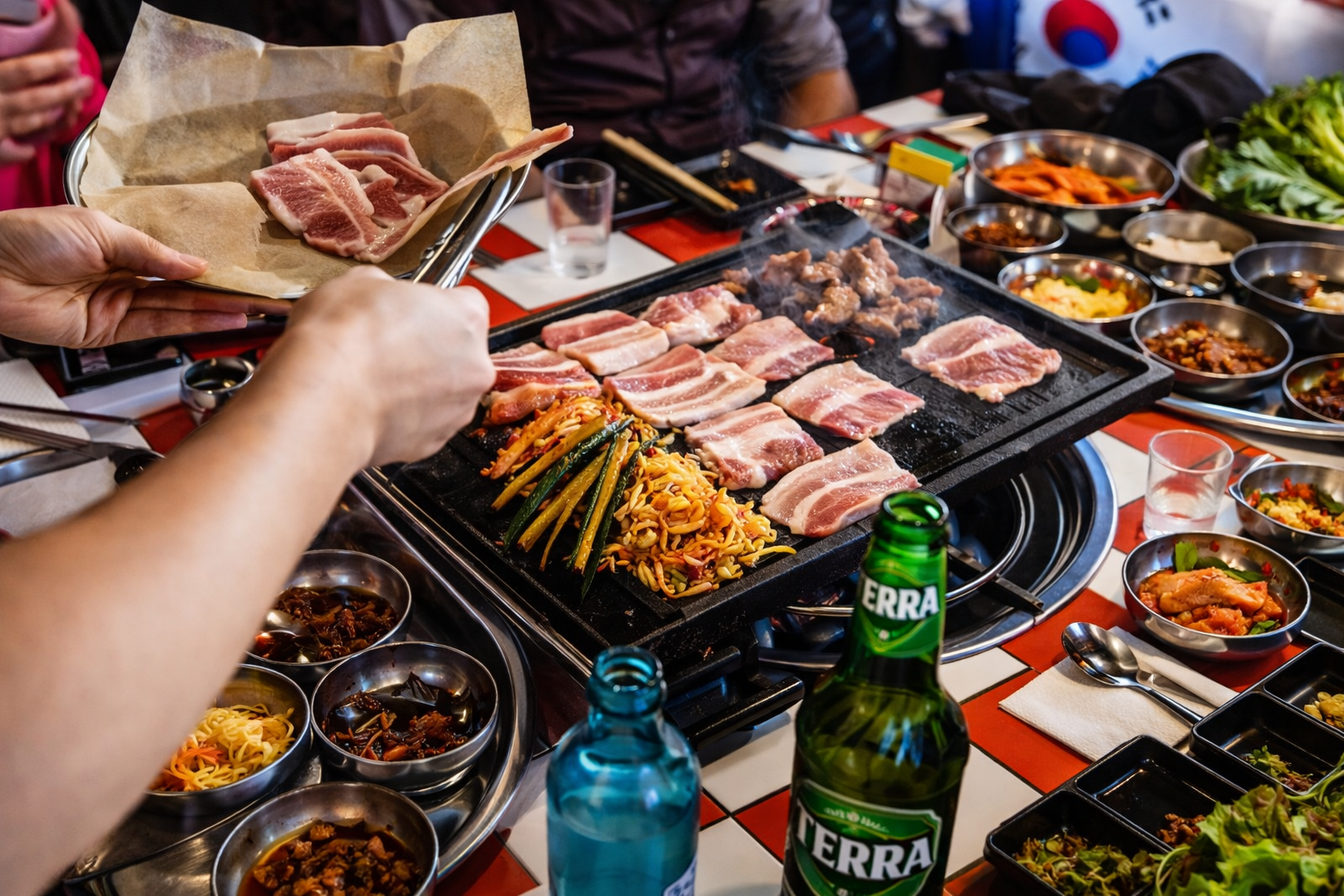
Korean BBQ has grown from a beloved dining tradition in South Korea into a global restaurant phenomenon. The idea is simple but powerful: guests grill marinated meats and vegetables themselves, right at the table. This interactive style creates an experience that is social, engaging, and memorable.
If you’re planning to open a Korean BBQ restaurant, success depends on more than great food. You’ll need a solid understanding of Korean BBQ culture, authentic flavors, and the right korean bbq restaurant equipment to support both safety and efficiency.

What Makes Korean BBQ Unique?
Korean BBQ, known as gogi-gui, centers around diners grilling meats such as bulgogi, galbi, and pork belly on tabletop grills. These dishes are paired with banchan—small side dishes like kimchi, pickled radish, seasoned bean sprouts, and dipping sauces such as gochujang and sesame oil.
Many restaurants also share elements of a traditional korean bbq recipe style: thinly sliced meats, balanced marinades, and quick, high-heat cooking that locks in flavor. The communal aspect encourages conversation and makes Korean BBQ especially popular with families and groups.
Authenticity matters. High-quality ingredients, proper marinades, and traditional serving tools all work together to deliver a genuine dining experience that keeps customers coming back.

by Jisun Han (https://unsplash.com/@hanzlog)
Essential Equipment for Your Korean BBQ Restaurant
Opening a Korean BBQ restaurant requires more than just standard commercial kitchen tools. From tabletop grills to proper ventilation systems, here’s what you’ll need to create an authentic and efficient setup.
1. Tabletop and Back‑of‑House Grills
Built‑In Table Grills
Most Korean BBQ restaurants feature built‑in tabletop grills, often powered by gas, charcoal, or electric elements:
-
Charcoal grills: Provide a smoky flavor and high heat but require careful monitoring.
-
Gas grills: Convenient, fast‑heating, and widely used in modern operations.
-
Electric grills: Easier to clean and produce less smoke, ideal for indoor settings.
Freestanding Grills or Charbroilers
For restaurants that prefer staff‑prepared dishes, heavy‑duty commercial charbroilers or griddles in the kitchen can handle bulk cooking while maintaining consistent quality.

2. Ventilation Systems
Ventilation is one of the most critical parts of a Korean BBQ restaurant set up. Without it, smoke can quickly overwhelm the dining area.
Common solutions include:
-
Overhead exhaust hoods above each grill
-
Downdraft ventilation systems that pull smoke downward
A properly designed ventilation system improves comfort, meets health regulations, and protects your equipment long-term.
3. Cooking Surfaces and Grill Accessories
Different meats and dishes call for specialized surfaces:
-
Grill tops: Best for large cuts of meat; retain juices and sear evenly.
-
Pan tops: Heat quickly, perfect for vegetables or smaller cuts.
-
Mesh grates: Expose food directly to flames, ideal for ribs or thinly sliced meats.
Keep multiple grill tops on hand to swap out between dishes for hygiene and flavor control.
4. Tableside Tools and Utensils
Korean BBQ is hands‑on, so providing the right tools is vital:
-
Heat‑resistant tongs: For safely handling raw and cooked meats.
-
Kitchen shears: For cutting ribs, bulgogi, or removing bones at the table.
-
Chopsticks and spoons: Essential for enjoying banchan and rice dishes.
Durable, food‑service‑grade utensils ensure both safety and ease of use for diners.

5. Banchan and Sauce Service Supplies
Small dishes made from melamine or stainless steel are essential for serving multiple banchan. Since Korean BBQ meals often include several side dishes per table, having ample stock helps service run smoothly during busy hours.


6. Kitchen Equipment and Prep Tools
While tabletop grills handle customer‑facing cooking, your kitchen needs commercial‑grade equipment for prep and side dish production:
-
Commercial rice cookers for large batches of short‑grain rice.
-
Deep fryers for Korean fried chicken and other sides.
-
Meat slicers for thinly sliced brisket and bulgogi.
-
Soup and stew equipment like saucepans and strainers for dishes such as doenjang jjigae.
-
Stone bowls and ramen pots for serving bibimbap and noodles hot and fresh.
-
Reach‑in refrigerators and freezers to store meats and vegetables safely.
Ensure your kitchen layout promotes smooth workflow and complies with food safety standards.
7. Furniture and Layout
Heat-resistant tables with built-in grills are essential for a proper korean bbq set up. Seating should allow staff easy access while keeping guests comfortable. Many restaurants incorporate warm wood tones, minimalist décor, or subtle Korean design elements to enhance atmosphere without overwhelming the space.

Building Your Menu and Sourcing Ingredients
A strong Korean BBQ menu balances classic meats, traditional sides, and modern options. Highlight staples like bulgogi, galbi, and spicy pork, alongside vegetarian choices such as grilled mushrooms or tofu.
For authenticity:
-
Source fresh meats and vegetables locally
-
Use genuine Korean seasonings like gochujang and gochugaru
-
Work with dependable suppliers for consistency
Consistency in ingredients is just as important as consistency in cooking.
Staffing and Training for Success
A well-trained team is the backbone of any successful restaurant. Investing in staff development ensures efficient operations. This leads to a positive dining experience for your patrons.
Begin by hiring individuals passionate about food and customer service. Look for employees with experience in the restaurant industry, particularly in Korean cuisine. This speeds up the training process and enhances service quality.
Focus on these key training areas:
- Korean BBQ essentials and menu knowledge
- Customer service skills and etiquette
- Health and safety standards
Conduct regular training sessions to keep staff updated on new menu items and techniques. Encourage open communication to improve teamwork and resolve issues quickly.
Licenses, Permits, and Health Regulations
Before opening, secure all required licenses, food service permits, and ventilation approvals. If you plan to serve alcohol such as soju or makgeolli, additional liquor licensing will be required. Staying compliant protects your business and builds trust with customers.

Marketing, Branding, and Customer Experience
Strong branding helps your restaurant stand out in a competitive market. Use social media to showcase your grills, tableside cooking, and signature dishes. Highlight the experience—not just the food.
Focus on:
-
A clear brand story
-
Consistent visual identity
-
One or two standout dishes customers remember
A welcoming atmosphere, knowledgeable staff, and reliable korean bbq equipment all contribute to an experience that keeps guests returning.
Final Thoughts
Opening a Korean BBQ restaurant blends culinary tradition with modern dining trends. By investing in the right equipment—grills, ventilation systems, prep tools, and serviceware—you can deliver an authentic experience that keeps customers returning.


For high‑quality commercial kitchen equipment, from tabletop grills to rice cookers and beyond, Chefco offers a comprehensive selection tailored to Korean BBQ operations. Explore their catalog to equip your restaurant for success.
