

What is sashimi?
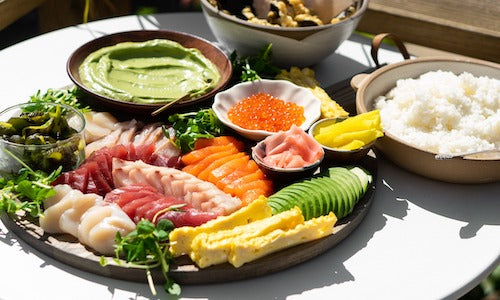
Sashimi is one of the most iconic elements of Japanese cuisine, referring to thinly sliced raw fish or seafood served without rice. Unlike sashimi sushi, which pairs raw fish with vinegared rice, sashimi focuses entirely on the purity, texture, and freshness of the seafood itself.
Because sashimi is eaten raw, how to prepare sashimi at home requires far more attention to food safety, freezing standards, and knife technique than many people expect. It’s not simply about slicing fish—it’s about understanding which fish are safe to eat raw and how professionals handle them.
In this guide, we’ll walk through everything you need to know, from safety and freezing to technique and presentation, so you can confidently prepare sashimi at home.
Freshness vs. Safety: Is Fresh Always Better?
Many beginners assume that the fresher the fish, the safer it is. In reality, fresh is not always safe when it comes to sashimi.
Raw fish that has not been properly frozen may carry parasites such as Anisakis, a marine parasite that can cause nausea, vomiting, abdominal pain, and long-term digestive complications. This is why simply buying “fresh fish” from a market does not automatically make it suitable for sashimi.
A common myth is that wasabi kills bacteria or parasites. While real wasabi contains compounds that deter insects from the plant itself, it does not neutralize foodborne pathogens. In addition, many wasabi pastes sold outside Japan are artificial, offering no safety benefit at all.

Freezing Is Essential for Safe Sashimi
The foundation of safe sashimi preparation is proper freezing.
To eliminate parasites, fish must be frozen under one of the following conditions:
-
-35°C for at least 15 hours, or
-
-20°C for at least 10 days
These standards are why most sashimi-grade fish sold commercially has already been frozen. In fact, U.S. FDA regulations require freezing for nearly all fish intended for raw consumption.
When learning how to prepare sashimi at home, always choose whole frozen blocks rather than pre-sliced refrigerated fish. Frozen blocks:
-
Have fewer exposed surfaces
-
Reduce contamination risk
-
Retain better texture
-
Are usually more cost-effective
Proper Thawing Method
To preserve texture and flavor:
-
Thaw frozen sashimi-grade fish under gentle running water for about 5 minutes
-
Avoid overnight refrigerator thawing, which causes moisture loss and dull texture

Never Use Freshwater Fish for Sashimi
Freshwater fish should never be used for sashimi—even if frozen.
Unlike marine fish, freshwater species such as carp or tilapia can carry parasites that survive freezing. Even some saltwater fish, such as cod, are unsuitable due to a high risk of anisakid worms.
If you’re planning how to make salmon sashimi, ensure the salmon is:
-
Clearly labeled for raw consumption
-
Properly frozen according to sashimi standards
-
Sourced from reputable suppliers
Choosing and Handling Raw Ingredients
Safe sashimi starts with disciplined ingredient handling:
-
Buy only from reputable, HACCP-certified suppliers
-
Confirm proper temperature control during delivery
-
Store raw fish at -18°C or below
-
Once thawed, keep sashimi at 0–4°C
-
Use a strict FIFO (first in, first out) system
-
Avoid buying sashimi products from stores affected by recent power outages
Preparation Techniques: How to Prepare Sashimi at Home
When it comes to technique, precision matters.
-
Slice fish perpendicular to muscle fibers at a 90° angle for optimal tenderness
-
Standard sashimi slices are about 5 mm thick
-
Use fish-specific knives when possible to preserve texture
-
Carefully remove all bones to prevent choking hazards
For beginners practicing how to make salmon sashimi, salmon is one of the most forgiving fish due to its fat content and smooth texture—making it ideal for home preparation.

Serving and Plating Sashimi
Presentation is an essential part of sashimi culture.
Common plating styles include:
-
Flat layouts
-
Geometric arrangements
-
Floral or layered designs
Traditionally, odd numbers such as 3, 5, or 7 slices are used for visual balance.
To maintain freshness during service:
-
Serve sashimi on chilled plates or over crushed ice
-
Place cling wrap between ice and fish for hygiene
-
Keep sashimi away from direct sunlight or warm areas

Hygiene and Equipment Standards
Because sashimi is raw, hygiene is non-negotiable:
-
Use dedicated knives and cutting boards for raw fish
-
Sanitize tools daily with certified disinfectants
-
Store knives in closed disinfectant containers
-
Change gloves, masks, and aprons frequently
-
Never handle raw fish while ill
-
Wash hands thoroughly before and after preparation
Sushi Rice Safety (When Making Sashimi Sushi)
When sashimi is served as sashimi sushi, rice safety becomes equally important.
-
Acidify sushi rice to a pH of 4.6 or lower
-
Cool rice from 60°C to 20°C within 2 hours
-
Further cool to 4°C within 4 hours
-
Store finished sushi below 4°C or use time-control systems
-
Label all prepared items with clear time and date markers
Final Thought
Making sashimi at home can be rewarding and safe if the right precautions are taken. With proper freezing, knife skills, storage, and hygiene, you can enjoy restaurant-quality sashimi in your own kitchen—without the risk.


For the best tools and supplies for preparing sashimi, from sushi knives to chilling trays, explore Chefco's curated collection of sushi and sashimi essentials. Chefco offers all kinds of sushi prep tools, including ultra-deep low temperature freezers, to help you process and prepare delicious sashimi with confidence and ease.
